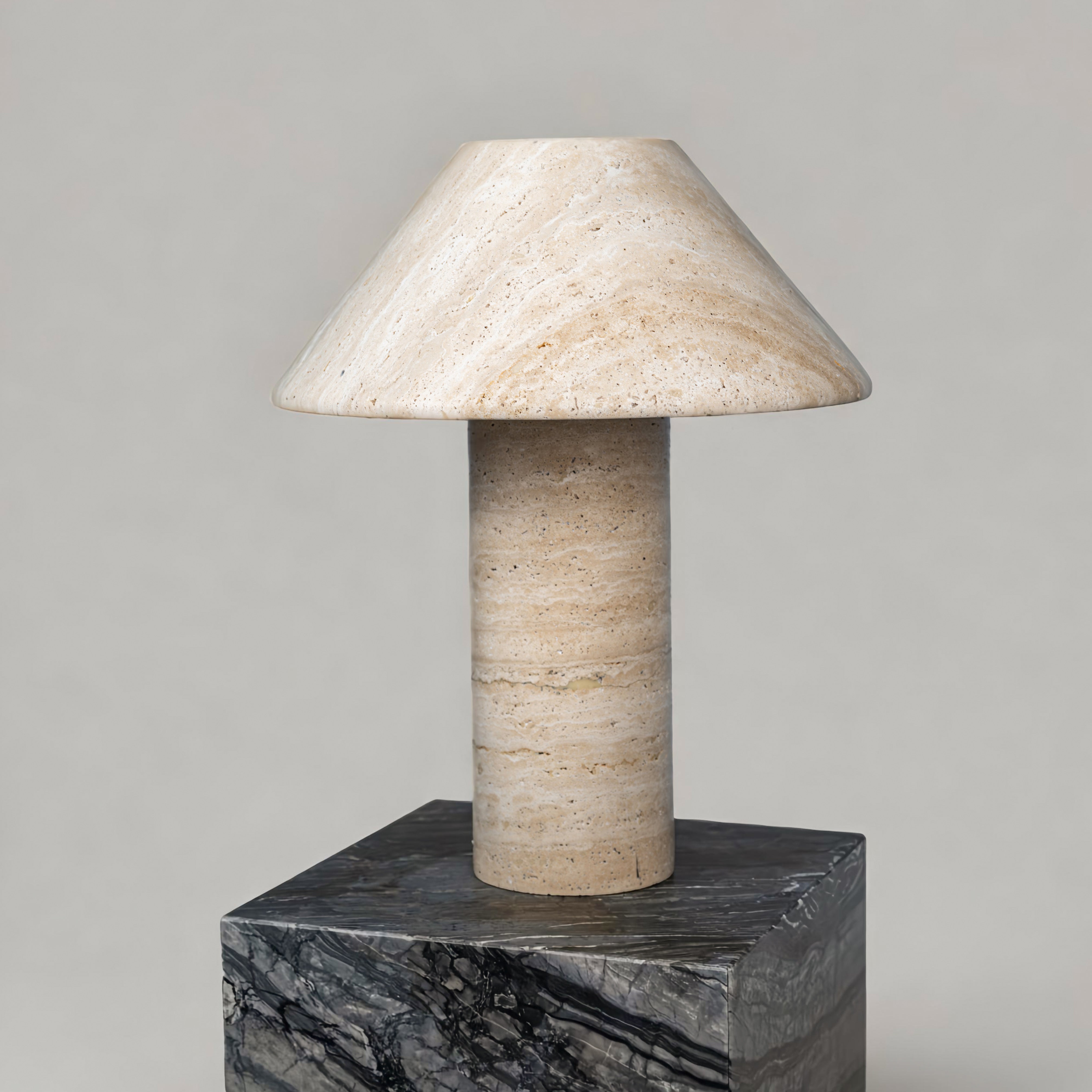



In the world of interior design and furniture crafting, stone has emerged as a timeless material that combines luxury, durability, and natural beauty. Whether you're considering a statement dining table, elegant coffee table, or sophisticated countertops, understanding the different stone options can help you make an informed decision for your space. This guide explores the most popular stone types used in furniture, their unique characteristics, and how to incorporate them into your home.
Marble: Timeless Elegance
Marble remains one of the most coveted stones for furniture pieces, prized for its distinctive veining and luminous appearance.
Characteristics:
- Appearance: Features dramatic veining patterns in a variety of colors, with white, black, and green being particularly popular
- Durability: Moderately durable but more susceptible to scratching and staining than some other stone options
- Maintenance: Requires regular sealing to prevent stains; sensitive to acidic substances
- Feel: Cool to the touch with a smooth, luxurious surface
Best Furniture Applications:
- Dining table tops
- Console tables
- Side tables
- Decorative tabletops
Design Tip:
Pair marble with brass or gold accents for a classic luxury look, or with matte black metal for a more contemporary aesthetic.
Granite: Rugged Durability
Granite offers exceptional durability combined with natural beauty, making it perfect for high-use furniture pieces.
Characteristics:
- Appearance: Features speckled or flecked patterns with considerable color variation
- Durability: Extremely hard and resistant to scratches, heat, and everyday wear
- Maintenance: Requires sealing but generally low-maintenance
- Feel: Solid and substantial with a slightly textured surface
Best Furniture Applications:
- Kitchen and dining tables
- Outdoor furniture
- High-traffic tabletops
- Desk surfaces
Design Tip:
Granite's natural speckled appearance makes it an excellent choice for hiding minor marks and crumbs, perfect for family dining tables.
Quartzite: Natural Strength
Not to be confused with manufactured quartz, quartzite is a natural stone that combines the aesthetics of marble with durability closer to granite.
Characteristics:
- Appearance: Can resemble marble with elegant veining but in a wider range of colors
- Durability: Extremely hard and resistant to scratching, etching, and heat
- Maintenance: Requires periodic sealing but generally low-maintenance
- Feel: Smooth surface with natural texture variations
Best Furniture Applications:
- Statement dining tables
- Kitchen tables
- Coffee tables
- Console tables
Design Tip:
For those torn between the look of marble and the practicality of granite, quartzite offers an excellent middle ground.
Travertine: Rustic Warmth
This limestone derivative brings warmth and organic texture to furniture pieces with its distinctive natural pitting.
Characteristics:
- Appearance: Features a matte finish with natural holes and indentations in earth tones
- Durability: Moderately durable but susceptible to etching from acidic substances
- Maintenance: Requires regular sealing; pores may be filled or left natural
- Feel: Textured surface with natural variations
Best Furniture Applications:
- Side tables
- Console tables
- Mediterranean or rustic-style pieces
- Outdoor furniture
Design Tip:
Travertine's warm, neutral palette pairs beautifully with natural wood elements and textiles for a cohesive organic look.
Soapstone: Understated Sophistication
Soapstone offers a distinctive matte appearance with a uniquely soft feel that develops a beautiful patina over time.
Characteristics:
- Appearance: Typically dark gray with a matte finish that darkens with age
- Durability: Resistant to heat and chemicals but can scratch (though scratches can be buffed out)
- Maintenance: Benefits from occasional mineral oil application but doesn't require sealing
- Feel: Smooth, almost soft feeling surface—hence the name "soapstone"
Best Furniture Applications:
- Kitchen tables
- Coffee tables
- Countertops
- Rustic or farmhouse-style furniture
Design Tip:
Soapstone's dark, matte appearance creates beautiful contrast against lighter wood tones or white cabinetry.
Onyx: Translucent Drama
For those seeking a truly statement-making stone, onyx offers unparalleled visual drama with its translucent properties.
Characteristics:
- Appearance: Semi-translucent with dramatic veining and banding that can be backlit
- Durability: Relatively soft and fragile compared to other stone options
- Maintenance: Requires careful sealing and gentle cleaning
- Feel: Smooth and glasslike when polished
Best Furniture Applications:
- Accent tables
- Lighted display surfaces
- Art pieces and statement furniture
- Bar tops
Design Tip:
Consider incorporating LED lighting beneath onyx surfaces to highlight its translucent properties for a stunning visual effect.
Limestone: Subtle Texture
Limestone brings subtle texture and a natural, understated elegance to furniture pieces.
Characteristics:
- Appearance: Typically beige to tan with subtle fossilized patterns
- Durability: Softer than granite or marble and susceptible to scratching and etching
- Maintenance: Requires regular sealing and careful cleaning
- Feel: Slightly textured with a natural, organic quality
Best Furniture Applications:
- Side tables
- Console tables
- Less frequently used surfaces
- Coastal or traditional style furniture
Design Tip:
Limestone's neutral palette works beautifully in coastal, Mediterranean, or traditional design schemes.
Caring for Stone Furniture
Regardless of which stone type you choose for your furniture, proper care will ensure its beauty lasts for generations:
- Use coasters and placemats to protect against scratches and potential staining
- Clean spills immediately, especially acidic substances like wine, citrus, or tomato sauce
- Use pH-neutral cleaners specifically designed for natural stone
- Apply sealant regularly according to the specific stone type's requirements
- Consider professional restoration for any significant damage or etching
Making Your Selection
When choosing stone for furniture, consider these factors:
- Lifestyle: How will the piece be used? High-traffic areas may require more durable stone options.
- Aesthetics: What look are you trying to achieve? Each stone type has its own distinctive appearance.
- Maintenance: How much care are you willing to invest in maintaining your stone furniture?
- Budget: Natural stone varies widely in price, with rarer varieties commanding premium prices.
- Sustainability: Consider locally sourced stone options to reduce environmental impact.
Conclusion
Stone furniture pieces offer a perfect blend of natural beauty and functional durability that can enhance any interior design scheme. Whether you prefer the classic elegance of marble, the rugged durability of granite, or the translucent drama of onyx, incorporating stone into your furniture collection creates focal points that will stand the test of time—both in terms of style and durability. With proper care, these natural treasures will continue to bring beauty and functionality to your home for generations.
Remember that each stone slab is unique, with its own pattern, color variations, and character—making your stone furniture piece truly one-of-a-kind.